Understanding Dementia and Memory Impairment
Dementia is a collective term used for conditions characterized by a decline in memory, language, problem-solving, and other thinking skills that affect a person’s ability to perform everyday activities. Alzheimer’s disease is the most common cause of progressive dementia. Memory impairment affects how seniors process information, making communication challenging. Recognizing this can help caregivers adjust their approach to communicate more effectively and compassionately.Communication Techniques for Memory-Impaired Seniors
The following are communication techniques can help caregivers effectively communicate with seniors experiencing memory impairment:- Use simple and clear language – Memory-impaired seniors may find it difficult to understand complex sentences or instructions. Using simple, direct language can help them better comprehend what you are trying to communicate.
- Speak slowly and clearly – It is essential to speak at a slow pace and give the senior time to process the information. Avoid using a loud or harsh tone, as it can be intimidating and cause confusion.
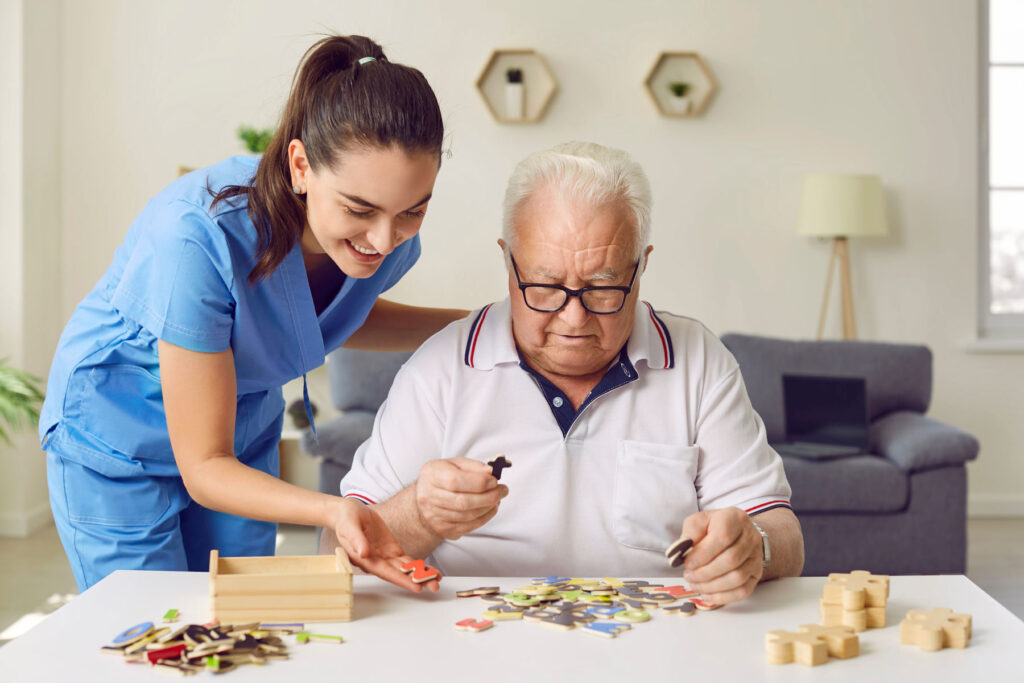
- Use visual cues – Memory-impaired seniors may have difficulty remembering verbal instructions, but visual aids such as pictures or written notes can help them understand better.
- Be patient and understanding – Seniors with memory impairment may need extra time to respond to questions or tasks. It is crucial to be patient and allow them the time they need without interrupting or becoming frustrated.
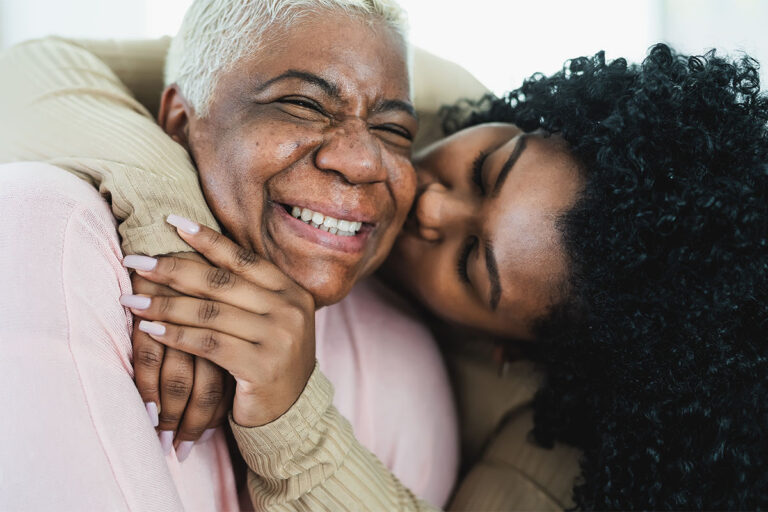
- Use positive body language – Non-verbal cues play a significant role in communication with memory-impaired seniors. Smiling, making eye contact, and using open body language can help create a more relaxed and welcoming environment for communication.
Tips for How to Talk to Someone with Dementia
The following are some additional tips to consider when communicating with someone who has dementia:- Try not to correct them – Memory-impaired seniors may have difficulty remembering details or events correctly. Instead of correcting them, it’s best to focus on the feelings and emotions they are expressing.
- Avoid asking open-ended questions – Seniors with dementia may have trouble recalling recent events or details. Instead of asking open-ended questions that rely on memory, try to ask more specific questions or use prompts to help them recall information.
- Redirect the conversation – If a senior with dementia becomes agitated or confused during a conversation, it may be helpful to change the subject and redirect their attention to something else. This can help diffuse any escalating emotions and refocus the conversation in a more positive direction.